
Choosing a deck builder in Matthews or Huntersville, NC is a big decision. In the next few minutes, you will learn how to compare companies, materials, permits, and quotes so your luxury outdoor space feels right and lasts.
If you are searching for a deck builder in Matthews and Huntersville, NC, you are probably past the “maybe someday” stage. You want a luxury outdoor space that looks intentional, feels comfortable, and holds up through Carolina heat, humidity, and those pop-up storms that show up out of nowhere.
And let’s be honest, a deck is not just a platform. Done well, it becomes the place where mornings start, dinners stretch longer, and weekends feel a little more like a getaway. Done poorly, it becomes the thing you avoid looking at every time you walk into the backyard.
Below, I will walk you through what to look for in a builder, what questions actually matter, how to think about premium materials like composite decking, and how to compare quotes without getting overwhelmed. The goal is simple: fewer surprises, better decisions, and a deck you are excited to use.
Key points
Start with your real life, not just a pretty photo
Most people start with inspiration photos, and that is totally normal. But the best projects start with something more useful: how you will actually use the space. Think of this as planning your outdoor living like you plan the inside of your home.
Do you picture quiet mornings with coffee and a book? Or are you the “let’s host everyone” house? Do you need space for kids to run around, or a calm spot for two chairs and a small table? Luxury is not always bigger. A well-sized deck that fits your routine can feel more high end than an oversized deck that feels empty.
Here is a quick, real-world trick: take painter’s tape, chalk, or even a string and outline the deck size in your yard. Put a couple of chairs inside that outline. Walk around it like you are carrying a tray from the kitchen. You will learn more in 10 minutes outside than in an hour of scrolling.
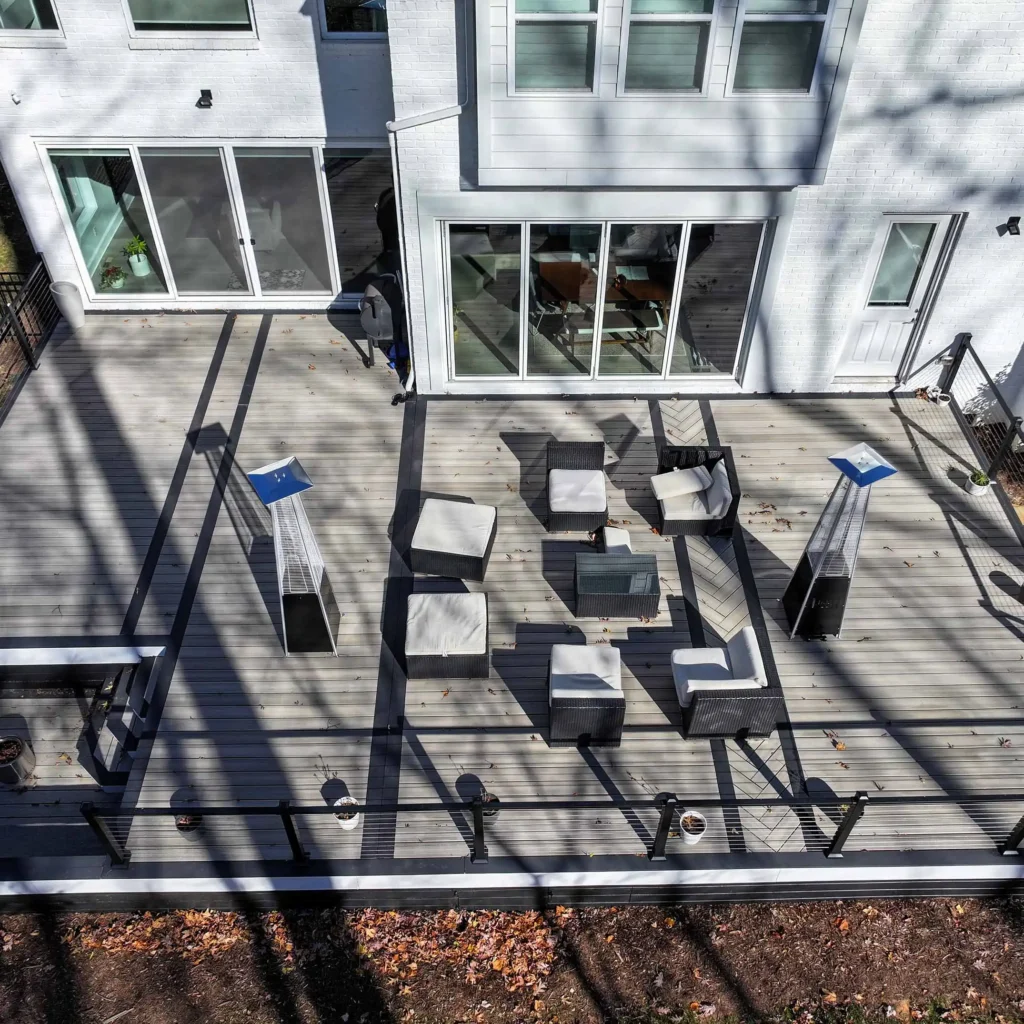
Photo from the Brazawood portfolio. Browse deck layouts and design ideas.
Also, pay attention to little “flow” moments. Where will the grill go so smoke does not drift right back into the house? Where will guests enter the deck from? What do you want to see when you step outside, and what would you rather not see? These small decisions are what make a deck feel polished.
What separates a great local deck builder from an average one
A deck can look beautiful on day one and still be a headache later. The real difference shows up over time. A great builder thinks about the stuff you do not want to deal with later, like how water moves, how everything stays solid, and how the project stays organized from start to finish.
One of the easiest ways to spot quality is to notice how a company explains the “boring parts.” If the builder can clearly describe how they handle structure, drainage, and safety without confusing you, that is a good sign. If everything is vague, that is a sign too.
It also helps to look at proof, not promises. Ask to see a portfolio with projects similar to yours, and ask what choices were made and why. If you can, meet the team or at least understand who will actually be on-site and who your point of contact is. A strong project feels better planned from the first conversation.
And yes, the jobsite matters. Clean, careful work usually comes from a crew that shows up prepared with professional tools and systems. We personally like working with gear from Milwaukee Tools because reliability and precision matter when you are building something that needs to feel perfect.
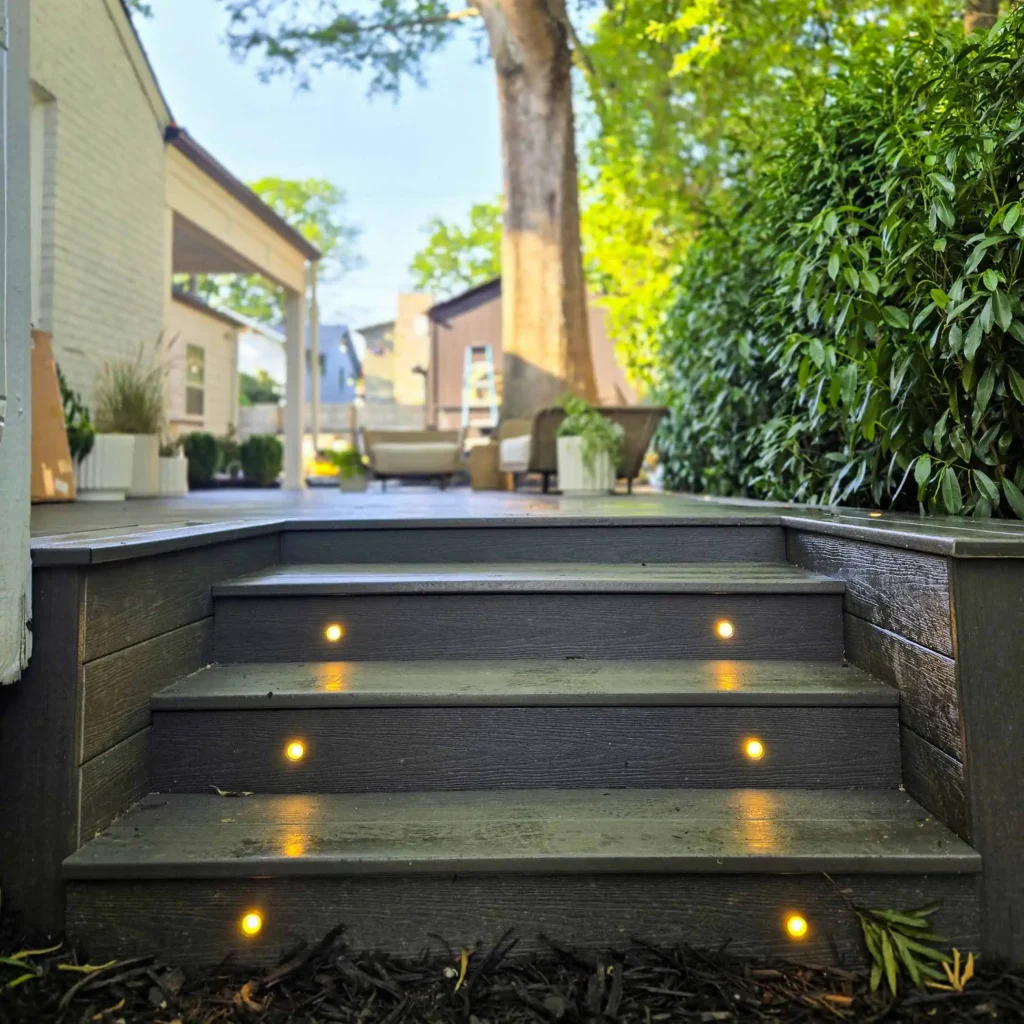
Photo from the Brazawood portfolio. Details like lighting and clean transitions are what make a deck feel high end.
If you want a simple set of questions that cuts through the sales talk, these help:
- Can I see a few projects like mine and hear what challenges came up?
- Who is my main contact and how often will I get updates?
- What is included in the quote and what is not?
- What warranty do you offer on labor and materials?
Permits and code basics in Matthews and Huntersville
Permits sound intimidating, but they are really just a way to make sure the structure is safe and built correctly. In many cases, a deck that is attached to a home or elevated off the ground will require a permit and inspections. A strong builder will be comfortable talking about this and will handle the process with you.
A good place to start for local guidance is Mecklenburg County Code Enforcement. And on the “big picture” side, most local requirements are based on standards developed by the International Code Council (ICC). For North Carolina building code resources and interpretations, the North Carolina Office of State Fire Marshal is a helpful reference.

Photo: Scott Graham on Unsplash.
Here is the main idea: if a builder suggests skipping permits to “save time,” slow down and ask why. Permits and inspections protect you, and they can matter later during resale. A professional company should be able to build the right way and keep the timeline realistic.
Also, do not forget HOA rules if you have them. In some neighborhoods around Charlotte, HOA approval can be just as important as a building permit. A good builder will help you think through both, so your project does not stall halfway through.
Choosing decking materials for low maintenance and long term durability
Material choice is where “premium design” meets real life. If you love the look of natural wood, you may still choose it, but it usually requires more upkeep over time. If you want a cleaner, low-maintenance lifestyle, composite decking is often the move.
Many homeowners in Matthews and Huntersville ask about Trex, Fiberon, and Veranda. These brands are common in the market and easy to source through retailers like Home Depot, which can help with availability and consistency.
When you are comparing brands, do not just compare colors. Look at warranties, feel underfoot, and how the board handles heat and cleaning. For example, it is worth reading the official warranty details from Trex warranty and Fiberon warranty so you know what is actually covered.
And if you want a helpful “big picture” cost reference while you are budgeting, HomeAdvisor has a general guide that can help you understand how material choices affect overall deck cost. Every project is different, but context helps.
Below are a few example boards (product images) so you can see what a “quoted material” might look like in the real world:
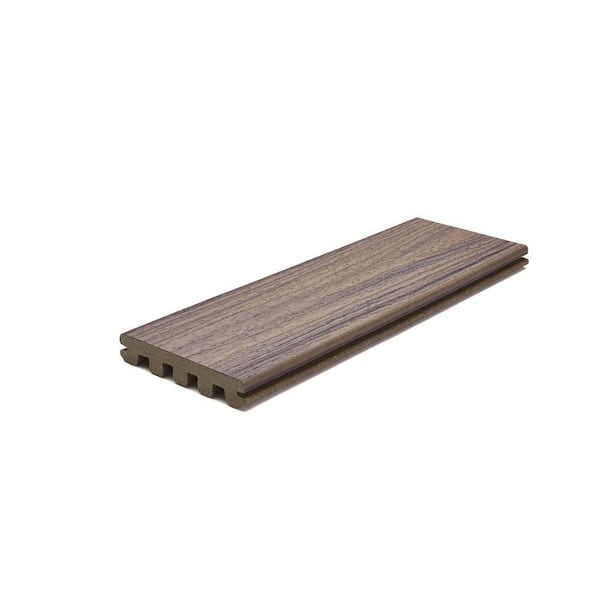
Product image: Trex via Home Depot.
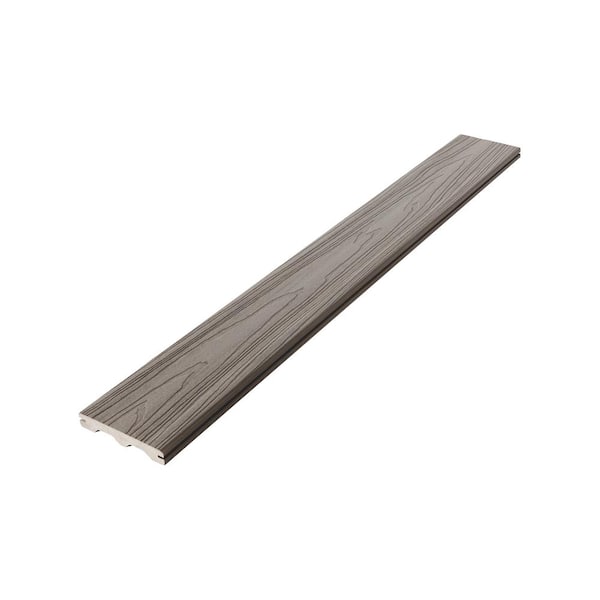
Product image: Fiberon via Home Depot.
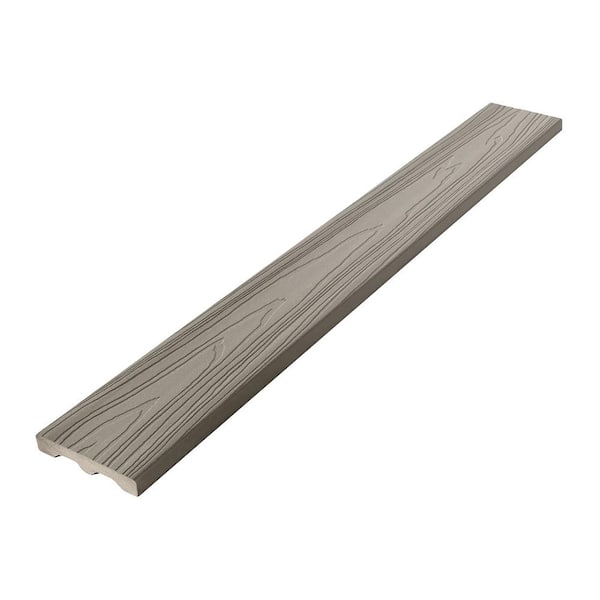
Product image: Veranda via Home Depot.
If you want to see how these decisions come together in real projects, you can explore our approach to custom deck materials and finishes.
Here is a simple way to compare options without getting lost in technical details:
That table is not meant to lock you into one answer. It is just a clean way to match material to lifestyle. If you travel a lot, entertain often, or simply do not want weekend maintenance, composite is usually worth a close look.
One more practical tip: ask to see samples in daylight. A board can look one way under indoor lighting and totally different outside. In a place like Matthews or Huntersville, where sunlight can be strong, that matters more than people expect.
What a high end deck costs around Charlotte and why prices vary
This is the question everyone asks, and it is fair. Deck pricing depends on size, materials, and site conditions, so you will see a range. Resources like the Angi cost guide and HomeAdvisor can give a general starting point, but your quote will reflect your exact layout, height, and finish level.
In the Charlotte area, “high end” usually means more than surface boards. It can include a more complex layout, upgraded railings, thoughtful stairs, and details that make the deck feel like it belongs to the home. And if you want lighting that looks clean and modern, products like Illumideck products can be a smart add-on because they improve safety and ambiance at the same time.
Site conditions matter too. A flat backyard with easy access is very different from a sloped lot or a tight access path where materials have to be carried by hand. If you are up near Lake Norman or dealing with tricky drainage, your builder may need additional planning. That can affect the price, but it also protects the long-term result.
If you want a calm way to budget, split your wish list into “must-haves” and “nice-to-haves.” Maybe your must-have is low-maintenance decking and safe stairs. Your nice-to-have might be a pergola cover or a built-in bench. A good builder can help you phase the project without losing the premium look.
How to compare deck builder quotes without stress
Quotes can be confusing because two numbers can look wildly different even when both companies are honest. The difference is usually in the details: what is included, what is assumed, and what is left out.
Here is the biggest rule: compare apples to apples. Ask each company to quote the same scope, the same material level, and the same add-ons. If one quote includes permits and lighting and the other does not, the “cheaper” quote is not really cheaper.

Photo: Kelly Sikkema on Unsplash.
If you want to skip the back-and-forth and start with a clearer scope, it can help to Get a quote from a company that is used to building premium projects and is comfortable documenting everything.
Use this checklist table when you compare proposals:
After you compare quotes this way, the “right” choice is usually obvious. It is the company that is specific, transparent, and consistent.
One quiet red flag: a quote that looks too simple. If it does not mention materials clearly, skips permits, or avoids warranty details, you are being asked to trust a lot without much proof. A premium deck deserves premium clarity.
Why 3D renderings help you choose details with confidence
When you are investing in a high-end deck, the hardest part is not the decision to build. It is choosing the details. Layout, railing style, stair placement, lighting, patterns, all of it.
This is where 3D renderings can be a game changer. Instead of trying to imagine everything from a flat sketch, you can see how the deck will look next to your home. You can make choices before anything is built, which usually saves time, money, and frustration.

Example rendering from Brazawood. Visual planning helps decisions feel simple.
And it is not just about looks. Renderings help you confirm practical things too, like how wide a stair run feels, where the sun hits in the afternoon, and whether your furniture fits the way you think it will.
Make it feel like a complete outdoor living plan
A luxury deck feels best when it is part of a bigger plan. Even if you build in phases, it helps to think through the full picture now, so everything connects later.
For example, your deck might connect naturally to a covered area, a screened space, or a patio. Depending on your home and lifestyle, it may be worth exploring options like porches, pergolas & sunrooms, or even pavers that extend the entertaining area beyond the deck surface.
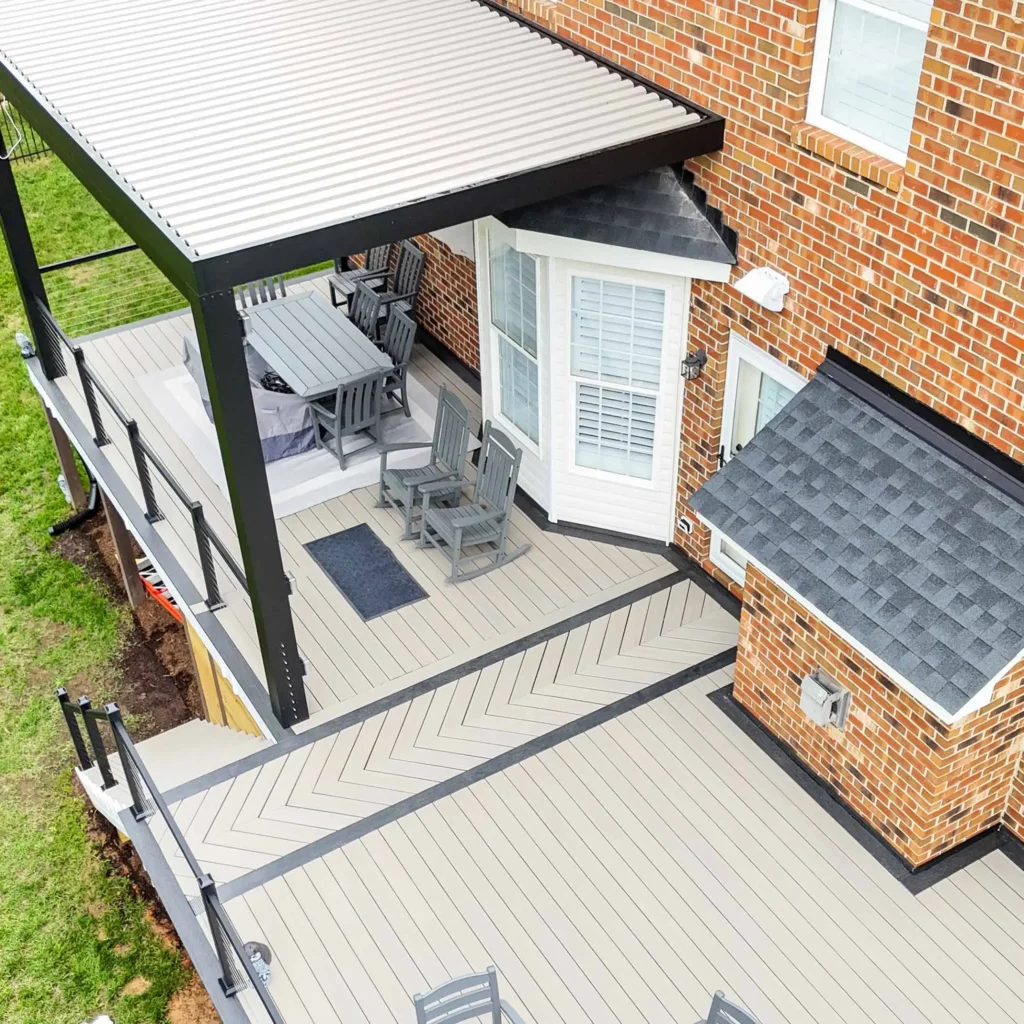
Photo from the Brazawood portfolio. Covered zones make outdoor spaces more usable year-round.
Even simple planning helps. If you think you may add lighting, speakers, or a future outdoor kitchen, mention it early. A great builder can prep for it so you are not ripping things apart later.
Will a deck add value to your home? Usually, yes, if it is done right
People often ask, “Will this pay off?” The honest answer is: it depends. But in general, outdoor upgrades are well known for boosting buyer appeal, and decks are often included in national remodeling data.
The JLC Cost vs Value Report compares average project costs to resale value across U.S. markets and includes both wood and composite deck additions. It is not a promise for your specific home, but it is a useful benchmark.
Another helpful data point is the NAR Remodeling Impact Report, which looks at remodeling outcomes and homeowner satisfaction for outdoor features.

Photo: Erik Mclean on Unsplash.
Here is what matters most for value: quality, layout, and low-maintenance choices. A deck that feels stable, looks clean, and fits the home’s style is more likely to feel like an upgrade to the next owner. And for you, it adds value every day you actually use it.
Conclusion
Hiring the right deck builder is less about finding one “best” company and more about finding the right fit for your home and your priorities. Start with how you live, look for proof through past projects, make sure permits are handled, and compare quotes based on what is included, not just the bottom line.
If you want the short version, it is this: a luxury deck is built twice. First in the planning and communication, then in the construction. When the planning is clear, the build goes smoother, and the final result feels effortless.
If you would like to understand our approach to design, craftsmanship, and service, you can visit Who we are.
And if you are ready to take the next step, explore our custom decks, browse the portfolio, and consider adding 3D renderings for clarity before construction. When you want real numbers and a real plan, get a quote or contact us.
Related Articles
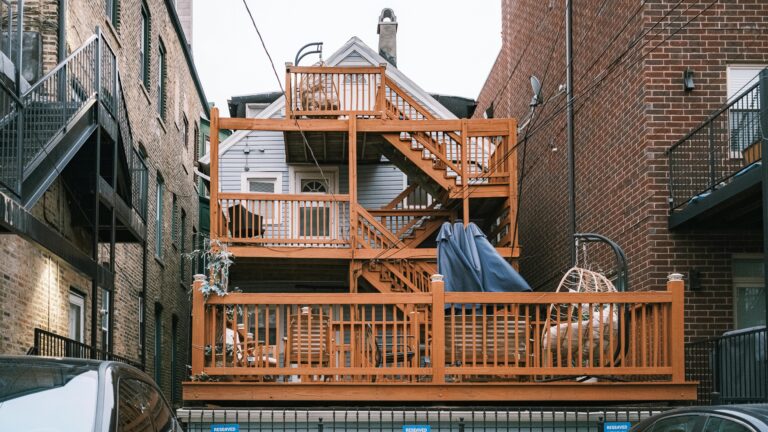
Drainage, Flashing, or Framing? The Hidden Deck Mistakes That Cause Expensive Repairs
Most deck problems do not start with the boards you see. They start below them. In this guide, you will learn how deck drainage, weak ledger flashing, and bad framing…
Read More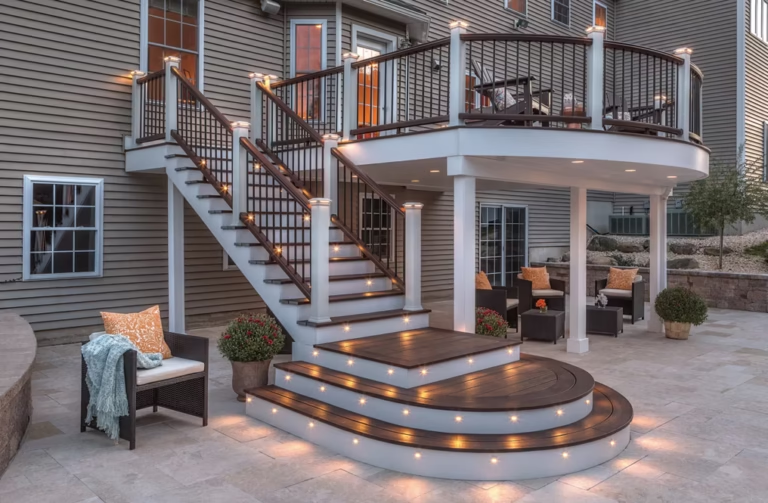
Top Custom Deck Design Trends in Charlotte, NC: Modern Layouts, Mixed Materials, and Built-In Lighting
Planning a deck in Charlotte? This guide breaks down today’s custom deck design trends: smarter layouts, mixed materials, modern railings, and built-in lighting, so you can choose ideas that fit…
Read More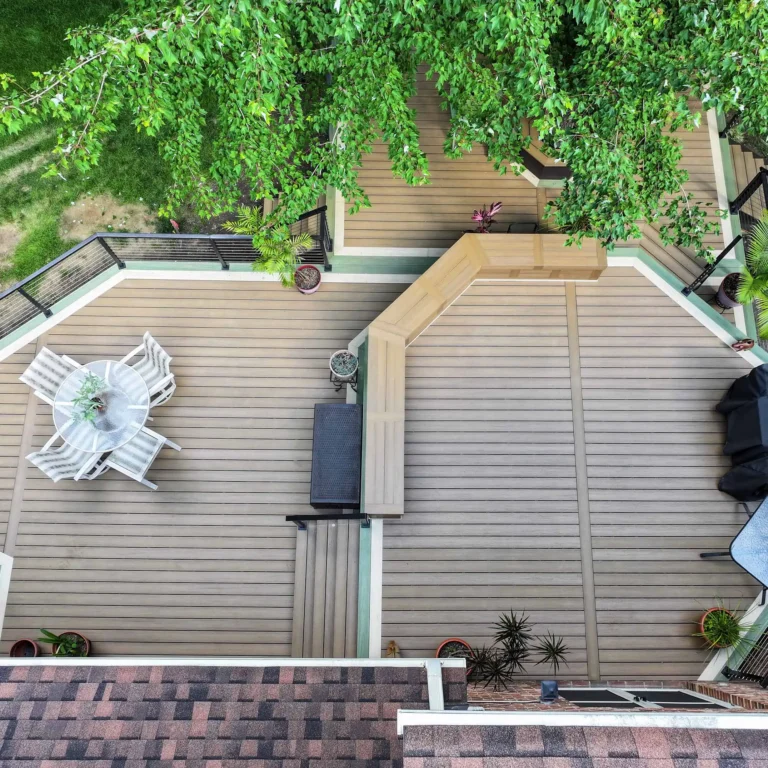
How Wellness Zones Are Transforming Outdoor Living in North Carolina
Learn how biophilic deck design and simple wellness zones can turn a North Carolina backyard into a calm retreat this season, with practical ideas for layout, plants, shade, and lighting…
Read More